
The best martial art for a girl is not simply the one that looks strongest or wins the most medals. It is the activity that makes her feel safe, interested, challenged and confident enough to keep learning. This guide compares judo, karate, taekwondo and Brazilian jiu-jitsu to help parents make an informed choice.
Judo can be an excellent choice for girls who enjoy active partner work and would benefit from improved confidence, balance, coordination, discipline and resilience. Karate or taekwondo may suit a child who prefers striking and individual drills, while Brazilian jiu-jitsu may appeal to a child who especially enjoys groundwork. The quality of the coach and training environment matters more than the martial art’s name.
What Should Parents Look for in a Martial Art for Girls?
Parents often begin by searching for the “best martial arts for girls,” but there is no single activity that is automatically right for every child. Girls have different personalities, interests, confidence levels and learning styles.
Instead of choosing according to stereotypes, look at what your daughter needs from the experience. A good martial arts program should help her grow without making her feel that she must already be aggressive, athletic or confident before she begins.
Safety and supervision
Beginners should learn progressively, with clear rules, suitable partners and techniques matched to their age and experience.
Confidence through progress
Confidence should develop from learning real skills, handling challenges and recognising personal improvement.
A respectful environment
Coaches and students should treat one another with patience and respect. Intimidation is not necessary for effective martial arts training.
Enjoyment and connection
The most effective martial art is usually the one a child enjoys enough to attend consistently and practise over time.
The right question is therefore not only, “Which martial art is best?” It is also: “Which class, coach and learning environment are best for my daughter?”
Best Martial Arts for Girls: Side-by-Side Comparison
Judo, karate, taekwondo and Brazilian jiu-jitsu can all offer valuable experiences. However, the way children learn and move is different in each activity.
| Martial art | Main focus | May suit girls who enjoy | Physical contact |
|---|---|---|---|
| Judo | Throws, balance, safe falling and groundwork | Partner work, problem-solving and active movement | Regular close-contact training |
| Karate | Strikes, blocks, stances and forms | Structured drills, precision and individual practice | Varies by club and training style |
| Taekwondo | Kicking, movement, flexibility and forms | Fast movement, kicking and dynamic techniques | Varies, particularly during sparring |
| Brazilian jiu-jitsu | Ground control, positions and submissions | Groundwork, strategy and close partner practice | Regular close-contact training |
Why Judo Can Be One of the Best Martial Arts for Girls
Judo is a Japanese martial art based on balance, timing, movement, control, throwing and groundwork. It does not require children to punch or kick one another. Instead, students learn how to control their own bodies, work with a partner and apply technique in changing situations.
This makes judo a strong option for many girls, including those who are shy, energetic, cautious, competitive or completely new to sport.
1. Builds genuine confidence
Judo gives children repeated opportunities to learn a difficult skill, make mistakes and try again. Confidence develops because they can see and feel their own improvement.
2. Rewards balance and timing
Size and strength can help in any physical sport, but judo also teaches children to use posture, movement, timing and leverage rather than relying only on force.
3. Develops problem-solving
A partner is constantly moving and reacting. Girls learn to observe, adapt, make decisions and find solutions under controlled pressure.
4. Teaches resilience
Falling, losing balance and unsuccessful attempts are normal parts of judo. Children learn that a mistake is information, not a reason to stop.
5. Improves coordination
Judo develops footwork, posture, grip control, balance, core stability and whole-body coordination through varied movement.
6. Offers room to progress
A girl can train recreationally for confidence and fitness or gradually move toward competition. Competing is an option, not a requirement.
Does a Girl Need to Be Strong or Aggressive to Start Judo?
No. A beginner is not expected to arrive strong, aggressive or naturally confident. These are not entry requirements for judo.
Good beginner coaching starts with simple movement, balance, class routines and safe falling. Techniques and partner work are introduced progressively as the child becomes more comfortable.
- Shy girls can begin quietly and build trust over time.
- Girls with little sporting experience can develop coordination step by step.
- Energetic girls can learn to control and direct their movement.
- Competitive girls can work toward increasingly challenging goals.
- Girls who do not want to compete can still gain confidence, fitness and discipline.
Which Martial Art Best Suits Your Daughter’s Personality?
Personality should not be used to limit a child. However, considering how she prefers to learn can help identify a class in which she is more likely to feel comfortable.
For a shy or cautious girl
Judo can work well when the class introduces partner contact gradually and the coach does not pressure beginners. Repeated practice with familiar partners can help build trust.
For a highly energetic girl
Judo and taekwondo both provide plenty of movement. Judo combines physical activity with close partner control, balance and decision-making.
For a girl who prefers individual practice
Karate or taekwondo may feel more comfortable if she enjoys repeating movements, stances, patterns and techniques independently.
For a girl who loves puzzles and strategy
Judo and Brazilian jiu-jitsu involve constant problem-solving against a moving partner and may appeal to children who enjoy finding technical solutions.
For a competitive girl
All four martial arts can offer competition pathways. The better choice depends on which movement style she enjoys and whether the club provides responsible long-term development.
For a girl with low confidence
Look for a coach who celebrates effort and improvement without removing all challenge. Confidence grows when children experience manageable difficulty and learn that they can handle it.
Is Judo Safe for Girls?
Judo is a physical contact sport, so no responsible coach should claim that it has zero risk. Minor bumps can occur in judo, just as they can in other sports.
The important issue is how the class manages that risk. In a well-structured beginner program, children first learn how to move safely and how to fall correctly before progressing to harder throwing or sparring.
What safer beginner judo should include
- Safe falling skills taught from the beginning
- Techniques appropriate for the child’s age and experience
- Partners matched thoughtfully
- Clear rules about control and cooperation
- Close supervision during partner practice
- Gradual progression toward harder training
- No pressure to compete before the child is ready
Is Judo Good for Self-Defence?
Judo can develop useful physical abilities such as balance, grip awareness, body control, close-contact confidence and the ability to remain calmer when someone is physically moving or resisting.
However, children should never be taught that learning a few techniques makes them invincible. Responsible self-defence also includes awareness, setting boundaries, leaving unsafe situations and asking a trusted adult for help.
What Age Should Girls Start Martial Arts?
Many children can begin an age-appropriate martial arts class from around five or six years old. Some are ready earlier, while others benefit from waiting until they can listen, follow simple instructions and participate comfortably with a group.
Starting at the right time is more important than starting as early as possible. A positive first experience is more valuable than placing a child into a class that is too long, too intense or unsuitable for her developmental stage.
How to Choose the Right Martial Arts Club for Your Daughter
The club environment will shape your daughter’s experience more than marketing promises or the colour of the uniform. Visit a class and observe how the coach communicates with both beginners and experienced students.
-
Watch how beginners are welcomed.
A new child should receive clear guidance rather than being expected to understand the class immediately. -
Observe how mistakes are handled.
Good coaches correct mistakes without humiliating children or making them afraid to try. -
Look at partner matching.
Size, experience, confidence and behaviour should be considered when children practise together. -
Ask how safety is taught.
The coach should be able to explain beginner progression, supervision and how intensity is controlled. -
Check whether competition is optional.
Children should be able to train for confidence, enjoyment and development without being forced to compete. -
Let your daughter experience the class.
One trial class often tells you more than comparing websites for several weeks.
Warning signs to avoid
- Beginners are placed into hard sparring immediately
- Children are regularly shouted at or embarrassed
- Winning is valued more than safety and development
- Large differences in size or experience are ignored
- The coach cannot clearly explain the beginner pathway
- Your daughter feels consistently unsafe or unwelcome
Why Girls Do Not Need a “Girls-Only” Version of Martial Arts
Girls do not need techniques simplified merely because they are girls. They need coaching that recognises the individual child’s age, experience, confidence and physical development.
A healthy mixed training environment can teach girls to work confidently with different partners while also teaching all students to practise with control and respect. In some cases, a girls-only class may help a nervous beginner feel more comfortable, but the quality of instruction remains the most important factor.
The goal should not be to make girls train exactly like everyone else without consideration. It should be to give every student appropriate challenges, meaningful opportunities and the same respect.
So, What Is the Best Martial Art for Girls?
There is no universal winner. Karate, taekwondo, Brazilian jiu-jitsu and judo can all help girls become more active, disciplined and confident when taught in a positive environment.
Judo is particularly worth considering when you want a martial art that combines:
- Confidence developed through real skill
- Balance, coordination and body awareness
- Close partner interaction
- Safe falling and controlled movement
- Problem-solving under pressure
- Discipline, resilience and respect
- A recreational or competitive pathway
The final decision should be based on your daughter’s response to the actual class. Does she feel safe? Does she connect with the coach? Is she interested in returning? Can you imagine her developing there over the next year rather than only enjoying the first day?
The best martial art is usually the one that provides the right combination of safety, challenge, enjoyment and long-term growth.
Frequently Asked Questions
What is the best martial art for a shy girl?
Judo can be a strong choice for a shy girl when beginners are introduced gradually and the coaching environment is patient and supportive. Karate may also suit a child who initially prefers more individual practice. The coach and class atmosphere are more important than the style alone.
Is judo better than karate for girls?
Neither is automatically better. Judo may suit a girl who enjoys partner work, grappling, active movement and learning how to fall safely. Karate may suit a girl who prefers striking, stances, forms and individual repetition.
Can girls do judo with boys?
Yes. Girls and boys commonly train together in children’s judo. Coaches should match partners appropriately according to size, age, experience, behaviour and confidence.
Does my daughter need to be athletic before starting?
No. Beginner judo should help children develop coordination, balance, fitness and confidence over time. Previous sporting or martial arts experience is not necessary.
Will judo make a girl aggressive?
A well-run judo class teaches control, cooperation, respect and responsibility. The aim is not uncontrolled aggression. Children learn that techniques must be practised safely and with consideration for their partners.
Does my daughter have to compete?
No. Competition is optional. Girls can train for confidence, fitness, discipline, enjoyment and friendships without entering tournaments.
What should a girl wear for her first judo class?
Comfortable sports clothes are normally suitable for a first trial. At Hirose Judo Academy, beginners do not need to purchase a judo uniform before trying a class.
Try Kids Judo on the Gold Coast
Hirose Judo Academy welcomes girls with no previous martial arts experience. Our children’s classes focus on safe progression, strong fundamentals, confidence, discipline and long-term development.
Book a Free Trial Explore Kids Judo ClassesHow Judo Helps Girls Build Real Confidence
Confidence does not always mean becoming louder or more outgoing. For many girls, it means feeling capable, speaking up when necessary, trying again after a mistake and becoming comfortable with physical challenges.
Judo develops this kind of confidence through practical experience. Girls learn safe falling, partner work, balance and technique step by step. Progress is earned through practice rather than appearance, natural athleticism or pressure to behave in a particular way.
Real Experience: What Judo Taught My Daughters
As a father and judo coach, I have seen these benefits through my own daughters. Their journeys have been very different, but both have shown me that judo can give girls much more than competition results.
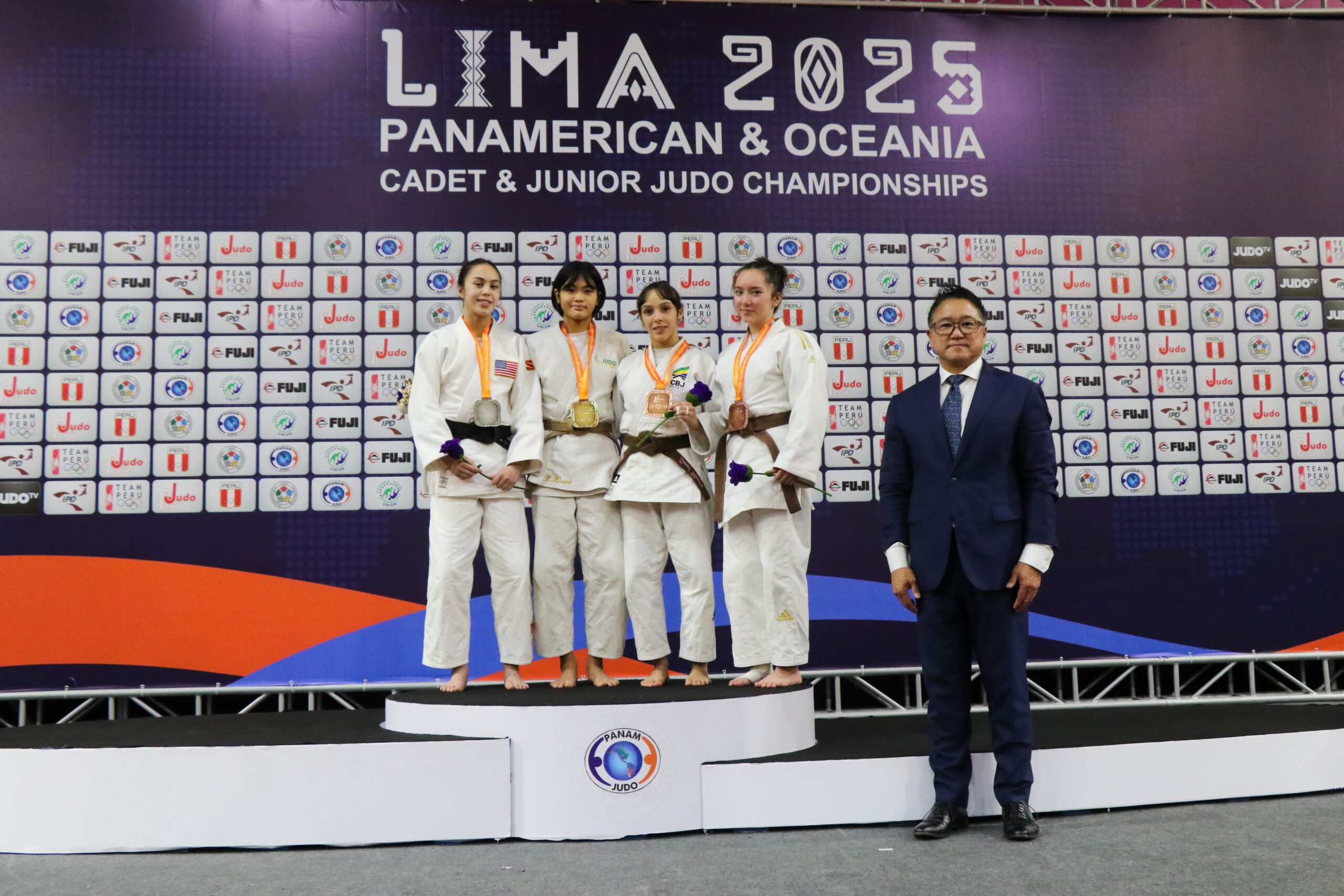
Rika: From Childhood Asthma to International Competition
When Rika was younger, she struggled with asthma and found running difficult. Through years of consistent judo training, she gradually developed her fitness, physical confidence, discipline and resilience.
She later progressed to international competition, winning medals in Europe and Asia and reaching the top of the world cadet rankings.
Her results are important, but the greatest change was not simply becoming a successful competitor. Judo taught her how to continue working when progress was difficult and how to trust her own ability.
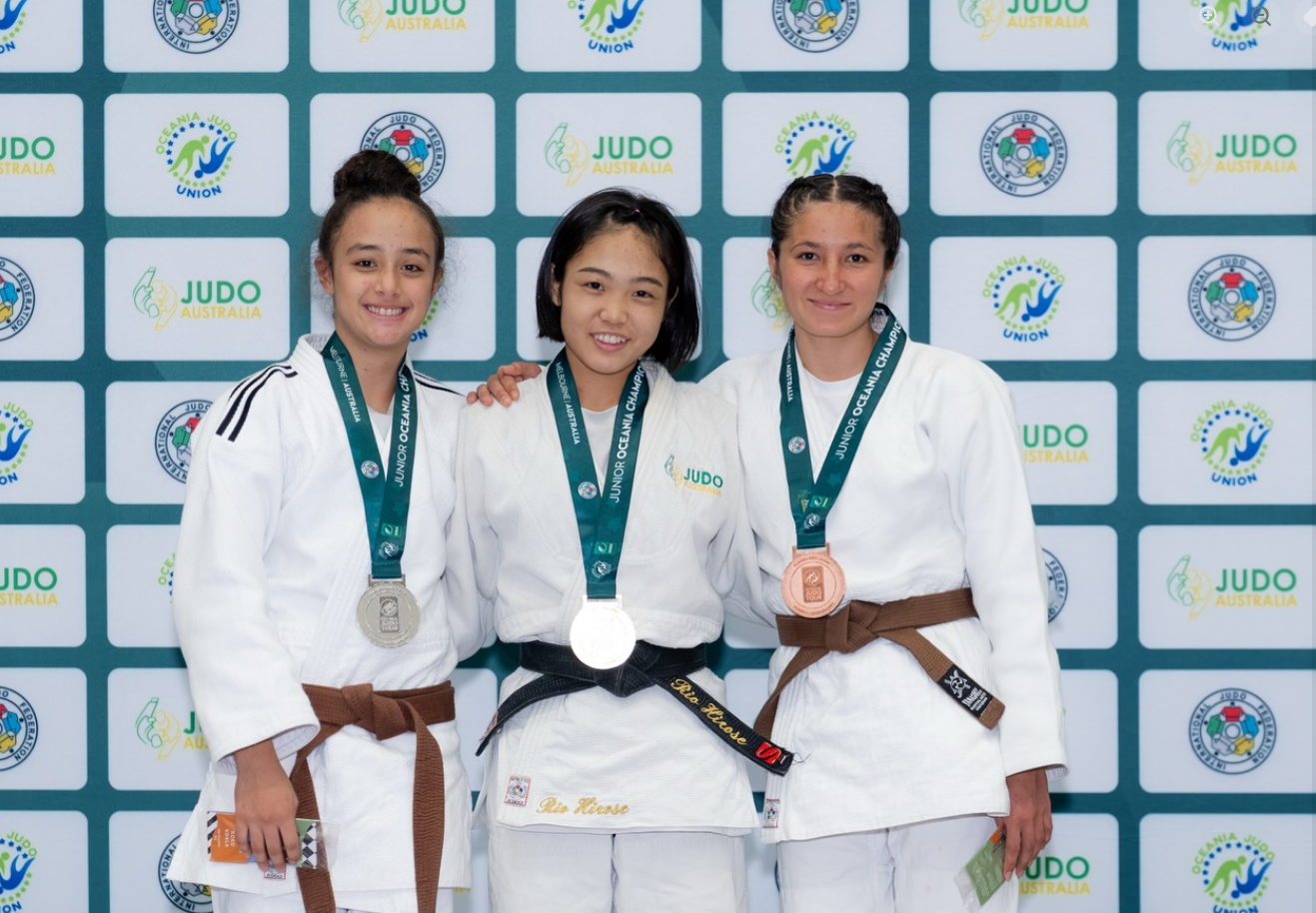
Rio: Rebuilding After a Serious Knee Injury
Rio’s journey included a major ACL injury that kept her away from normal training and competition. Returning required patience, rehabilitation and the willingness to rebuild step by step.
She eventually returned to competition and won at international level again. More importantly, the experience strengthened her patience, determination and ability to deal with setbacks.
Her story shows that judo is not only about learning how to win. It can also teach girls how to respond when life does not go according to plan.