
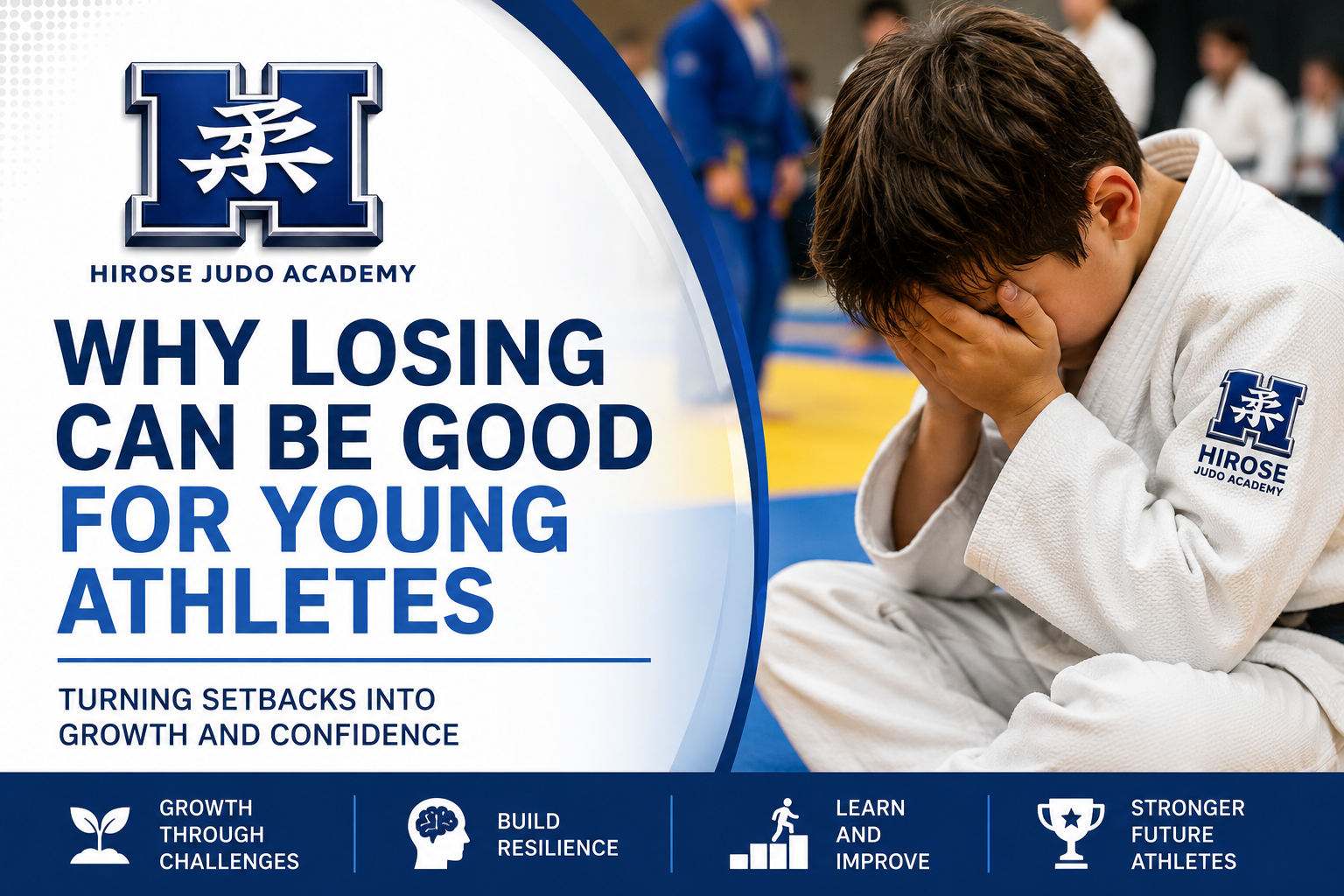
Losing Is Not the Opposite of Development
Children do not need to enjoy losing. Disappointment is normal. But learning how to respond to setbacks is one of the most valuable parts of youth sport.
Why Losing Matters in Youth Sport
Winning confirms what already worked. Losing often reveals what needs to improve.
It Reveals Weaknesses
Competition exposes technical and tactical gaps that may be hidden in training.
It Builds Emotional Experience
Children learn that disappointment can be felt without becoming permanent.
It Encourages Adaptation
A setback creates a reason to change, practise and improve.
It Tests Confidence
Real confidence grows when children learn they can recover after difficult moments.
Losing Teaches Resilience
Resilience is not created by avoiding difficult experiences. It develops when a child experiences difficulty and learns how to continue.
- Accept disappointment
- Reflect on what happened
- Return to training
- Work on weaknesses
- Try again
Losing Can Build Confidence—If Adults Respond Well
A child does not become confident because they never lose. Confidence grows when they discover that a loss does not define them.
When Losing Becomes Harmful
Losing becomes less useful when adults attach shame, disappointment or excessive pressure to the result.
- Constant criticism after losses
- Comparisons with other children
- Making medals the main measure of progress
- Entering too many tournaments
- Removing enjoyment from training
What Parents Should Do After a Loss
- Give the child time to process the result
- Avoid immediate technical analysis
- Ask what they learned
- Focus on effort and courage
- Let the coach manage technical feedback
Why Losing Matters in Judo
Judo gives children repeated exposure to both success and failure. Even strong athletes are thrown, controlled and beaten.
This makes judo a valuable environment for learning that progress is rarely linear.
Final Thoughts
Losing is not something parents need to celebrate, but it is also not something children need to fear.
When adults keep the result in perspective, setbacks can become some of the most useful experiences in a young athlete’s development.